
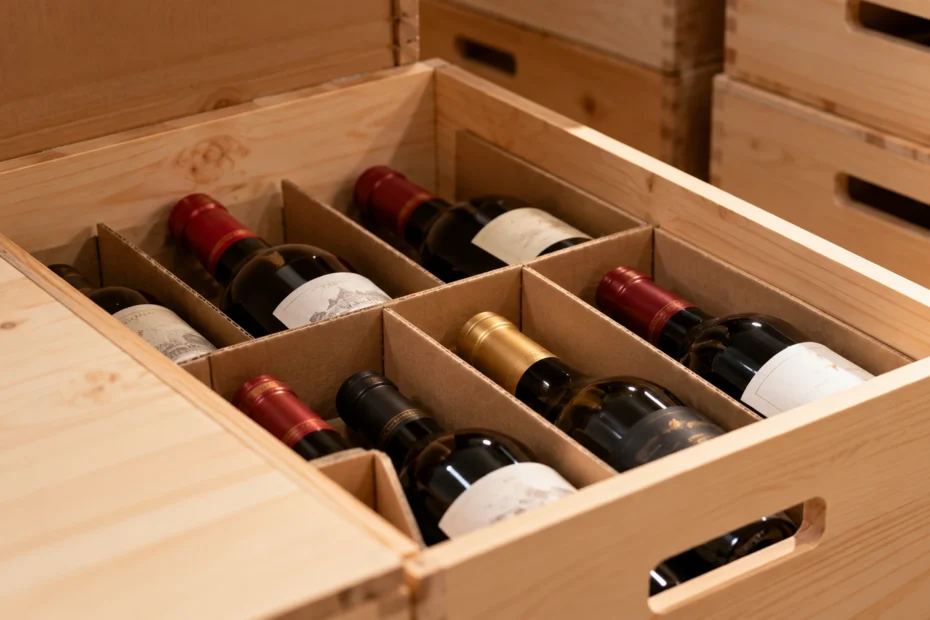
Building a wine collection often starts with just a few favourite bottles. Over time, however, those bottles can quickly turn into dozens or even hundreds as you discover new regions, producers and vintages.
As your collection grows, keeping it organised becomes increasingly important. A well-organised wine collection makes it easier to know what you have, find the bottle you want and plan for future additions without running out of space unexpectedly.
Whether you keep your wine at home or use dedicated wine storage, here are some practical ways to organise a growing collection.
1. Create an Inventory of Your Wine Collection
The first step is knowing exactly what you already have.
Create a simple inventory that records important information about each bottle. Depending on how detailed you want to be, this may include:
- Wine name
- Producer
- Vintage
- Country or region
- Grape variety
- Quantity
- Purchase date
- Storage location
- Notes
You can manage your inventory using a spreadsheet, wine collection app or another system that works for you.
Keeping the inventory updated whenever you add or remove bottles can prevent you from losing track of your collection as it grows.
2. Choose a Simple Organisation System
There is no single correct way to organise wine. The best system is one that makes sense to you and is easy to maintain.
You could organise bottles by:
- Country
- Wine region
- Producer
- Grape variety
- Vintage
- Wine type
- Drinking timeframe
For example, you might keep red and white wines separately before organising them further by country or region.
If you have a larger collection, combining several categories can make individual bottles easier to locate.
The key is consistency. Once you choose a system, use the same approach throughout your collection.
3. Label Storage Areas Clearly
Even with a detailed inventory, finding one bottle among many can become difficult if your physical storage space is not properly organised.
Consider assigning labels or numbers to different shelves, racks, sections or storage areas.
Your inventory can then record the exact location of each bottle.
For example, instead of simply recording that you have a particular bottle, you could note that it is stored in a specific rack or section.
This becomes increasingly useful as your collection expands.
4. Keep Frequently Accessed Wines Easy to Reach
Not every bottle in your collection will be accessed equally often.
Some wines may be intended for regular drinking, while others may be kept for a longer period.
Place bottles you expect to access more frequently in locations that are easier to reach. Wines that you plan to keep for longer can be stored separately.
This can reduce unnecessary movement of other bottles whenever you want to retrieve something from your collection.
5. Keep Similar Wines Together
Grouping similar wines can make your collection much easier to manage.
For example, you could dedicate separate sections to Bordeaux, Burgundy, Champagne or wines from different countries.
Alternatively, you might prefer to organise bottles according to wine type, such as red, white, sparkling and dessert wines.
There is no need to create an overly complicated system. The goal is simply to make it easy to understand where each bottle belongs.
6. Review Your Collection Regularly
A wine collection is constantly changing.
New bottles are added, others are consumed, and your preferences may change over time. Reviewing your collection periodically helps ensure your inventory remains accurate.
A regular review also gives you an opportunity to reorganise sections that are becoming crowded and identify where additional storage space may be needed.
If certain categories are growing faster than others, you can adjust your storage layout accordingly.
7. Plan Space for Future Purchases
One common mistake is organising a collection based only on the number of bottles you currently own.
If you regularly purchase wine, your storage requirements may increase much faster than expected.
Instead of filling every available space immediately, leave some room for future additions.
Think about your buying habits and how quickly your collection has grown over the past year. This can give you a better idea of how much additional space you may need in the future.
Planning ahead can save you from having to reorganise your entire collection every time new bottles arrive.
8. Maintain Suitable Storage Conditions
Organisation is important, but the environment in which your wine is stored matters too.
Wine should be kept under suitable storage conditions, particularly if bottles are being stored for longer periods. Temperature stability, light exposure and unnecessary movement are some factors to consider when deciding where to keep your collection.
If you store wine at home, make sure the space you use is appropriate for wine storage rather than simply choosing an available cupboard or room.
For larger collections, dedicated wine storage may be worth considering.
9. Know When You Need More Wine Storage Space
As a collection grows, there may come a point when your existing wine fridge or home storage area is no longer sufficient.
You may notice bottles being placed wherever there is available space, making your organisation system harder to maintain. You may also find yourself delaying new purchases simply because there is nowhere suitable to keep them.
At this stage, additional wine storage can give your collection more room to grow while helping you maintain a more organised system.
Keep Your Wine Collection Organised as It Grows
A growing wine collection is much easier to enjoy when you know exactly what you have and where each bottle is located.
Start with a simple inventory, choose a consistent organisation system and review your collection regularly. Most importantly, plan for future additions instead of waiting until your existing storage space is completely full.
For collectors who need additional space, EBC Lifestyle Hub offers temperature-controlled wine storage in Singapore with options suitable for different collection sizes.
Whether you need space for a smaller collection or additional room as your collection grows, contact us to check current availability or arrange a viewing.